

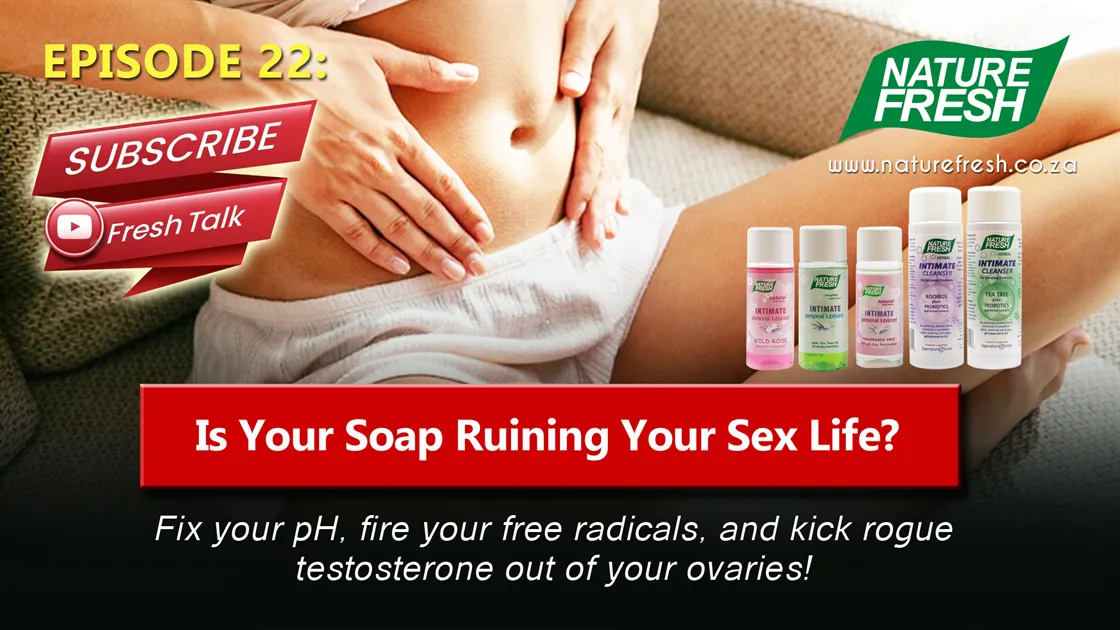
Nature Fresh Health and Metabolic Protocols Briefing
Executive Summary download the show notes here
The following document synthesizes health research and product protocols focusing on metabolic errors, hormonal imbalances, and intimate hygiene. The central thesis is that many chronic conditions—specifically Polycystic Ovarian Syndrome (PCOS) and various vaginal disorders—are rooted in metabolic malfunctions and pH imbalances that can be managed through specific herbal interventions and a strict anti-inflammatory diet.
Key Takeaways:
- Hormonal Dysregulation: PCOS is identified not as a simple ovarian disease but as a metabolic error involving the liver's inability to restrain Dihydrotestosterone (DHT).
- The Critical Role of pH: Intimate health is dependent on maintaining a highly acidic vaginal pH (3.5–4.0). Common hygiene practices, such as using alkaline soaps (pH 10), are cited as primary causes of infection and odor.
- Prostaglandin Management: Chronic inflammation is driven by an imbalance in prostaglandins, specifically an excess of PGE2. Dietary control of fatty acid metabolism is presented as the primary solution for reversing inflammatory responses.
- Integrative Approach: While natural remedies like Chaste berry, Saw palmetto, and probiotics are emphasized, the research maintains that these should supplement, not replace, professional medical consultation.
- Regulatory Status: All discussed Nature Fresh products are classified as food supplements and have not been evaluated by the South African Health Products Regulatory Authority (SAHPRA) for efficacy or safety.
I. Polycystic Ovarian Syndrome (PCOS) and Testosterone Metabolism
The research frames PCOS as a systemic metabolic issue rather than an isolated reproductive disorder. It is characterized by the inappropriate activity of Dihydrotestosterone (DHT), a potent male androgen, within the female body.
The Mechanism of DHT Interference
DHT is typically active in males during puberty. In females, it emerges when the liver fails to regulate its formation from testosterone. This failure is often linked to the overconsumption of carbohydrates, which overwhelms liver enzymes.
Symptoms of DHT Intervention in Women:
- Reproductive: Formation of ovarian cysts, opposition to ovulation, menstrual irregularities, and infertility.
- Dermatological: Adult acne, male pattern baldness (atrophy of hair follicles), and hirsutism (excessive facial and body hair).
- Systemic: Weight gain (insulin resistance), depression, and mood swings.
Natural Interventions for PCOS
The protocol suggests several "herbal warriors" and dietary changes to inhibit DHT and restore balance:
|
Remedy |
Function |
|
Chaste berry (Agnus Castus) |
Acts as a "testosterone squelcher"; knocks DHT off cell receptors. |
|
Saw palmetto |
Used to confront DHT-associated ailments. |
|
Fresh Pumpkin Pips |
Sterols control the 5-alpha reductase enzyme in the liver to inhibit DHT formation. |
|
Nettle Root / Flax Seeds |
Helps keep DHT in its bound (inactive) form within the bloodstream. |
|
Blood Type Diet |
Recommended to avoid foods that disrupt individual metabolism or hormones. |
II. Comprehensive Guide to Intimate Hygiene and Vaginal Health
Intimate health is described as a balance of pH and homeostasis. The research argues that many "unsolvable" vaginal complaints are self-inflicted through incorrect hygiene habits.
The Chemistry of the Vagina
The optimal vaginal environment is highly acidic (pH 3.5–4.0). Disruption occurs when alkaline substances are introduced:
- Alkaline Soaps: Typically pH 9–11.
- Semen: Highly alkaline (pH 8–10), keeping the vagina neutral (pH 7) for up to 10 hours post-intercourse.
- Menstrual Blood: Slightly alkaline (pH 7.4).
- Antibiotics: Eradicate "friendly" probiotic bacteria, allowing Candida albicans (thrush) to proliferate.
Management of Common Disorders
Vaginal Dryness and Discomfort
Vaginal dryness is attributed to hormonal imbalances (menopause), synthetic clothing, or chemical reactions.
- Solutions: Water-based, pH-balanced lubricants; Vitamin E capsules (inserted nightly for three weeks); and avoiding petrochemical-based or alkaline products.
Odor and Infection Control
Bacterial growth and odors thrive in alkaline environments.
- Protocol: Use acid-based cleansers containing tea tree oil (for fungal/bacterial protection) or rooibos (for soothing).
- Self-Care: Acidifying baths with cider vinegar or lemon juice and incorporating probiotics (15 strains, including Lactobacillus and Bifidobacterium) to restore microflora.
Sexually Transmitted Diseases (STDs)
The document stresses that natural remedies are secondary to medical treatment for STDs like Chlamydia, Gonorrhea, and Syphilis. It notes that the AIDS virus is significantly smaller than sperm cells, making condoms an incomplete barrier in some contexts.
III. The Anti-Inflammatory Protocol and Prostaglandins
Central to all Nature Fresh health protocols is the management of prostaglandins—lipid compounds that act as messengers to trigger or reverse inflammation.
Prostaglandin Types
- PGE2 (The "Bad" Guy): Produces inflammatory responses, swelling, pain, and redness. High levels are triggered by stress, infection, and poor fatty acid metabolism.
- PGE1 & PGE3 (The "Good" Guys): Act to reverse inflammation and reduce adverse reactions.
Dietary Guidelines for Inflammation Control
Foods and Substances to Avoid:
- Arachidonic acid: Found in peanuts.
- Trans-fatty acids: Found in margarine and heated commercial oils.
- Excessive Stimulants: Sugar, chocolate, caffeine, and alcohol.
- Specific Allergens: Soybeans for certain blood types (O and B non-secretors) due to trypsin inhibitors.
Recommended Daily Intake:
- Essential Fatty Acids: Omega 3 (flax, salmon) and Omega 6 (olive, evening primrose).
- Supplements: Zinc (15–30mg), Vitamin C, Vitamin E (200–400iu), and Magnesium/Calcium at bedtime.
- Pro-Active Foods: Wheat germ, ground flax seeds, sesame seeds, and soy protein (for those who tolerate it).
IV. Institutional Standards and Product Philosophy
Nature Fresh operates under a specific set of principles regarding product formulation and corporate responsibility.
Formulation and Safety
- SAHPRA Disclaimer: All products are unregistered medicines and have not been evaluated for efficacy or safety. They are classified as foods or food supplements.
- Ingredient Integrity: Products are formulated to be free from parabens, harsh chemicals, perfumes, and (to the best of the manufacturer's knowledge) GMOs.
- Pet Safety: Specifically, xylitol is excluded from toothpaste to ensure it is safe for dogs, cats, and horses.
Corporate Policies
- Endorsements: The company rejects third-party endorsements and "seals of approval" to maintain competitive pricing and focus on ingredient integrity.
- Charitable Focus: Instead of traditional advertising, the budget is allocated to charities, primarily Operation Smile, which funds surgeries for cleft lip and palate conditions.
- User Responsibility: The documentation explicitly states that the final responsibility for health decisions rests with the individual, who should consult qualified healthcare practitioners for diagnosis and treatment.
V. Key Probiotic Strains for Intimate Health
The Nature Fresh protocol utilizes a 15-strain probiotic complex in its cleansers to facilitate health:
- Lactic Acid Bacteria: B. bifidum, B. longum, L. acidophilus, L. bulgaricus, L. casei, L. plantarum, L. lactis.
- Phototrophic Bacteria: Rhodopseudomonas palustris, Bacillus subtilis.
- Beneficial Yeasts: Saccharomyces cerevisiae, Streptococcus thermophilus.
-
Read
 Social Wiiv